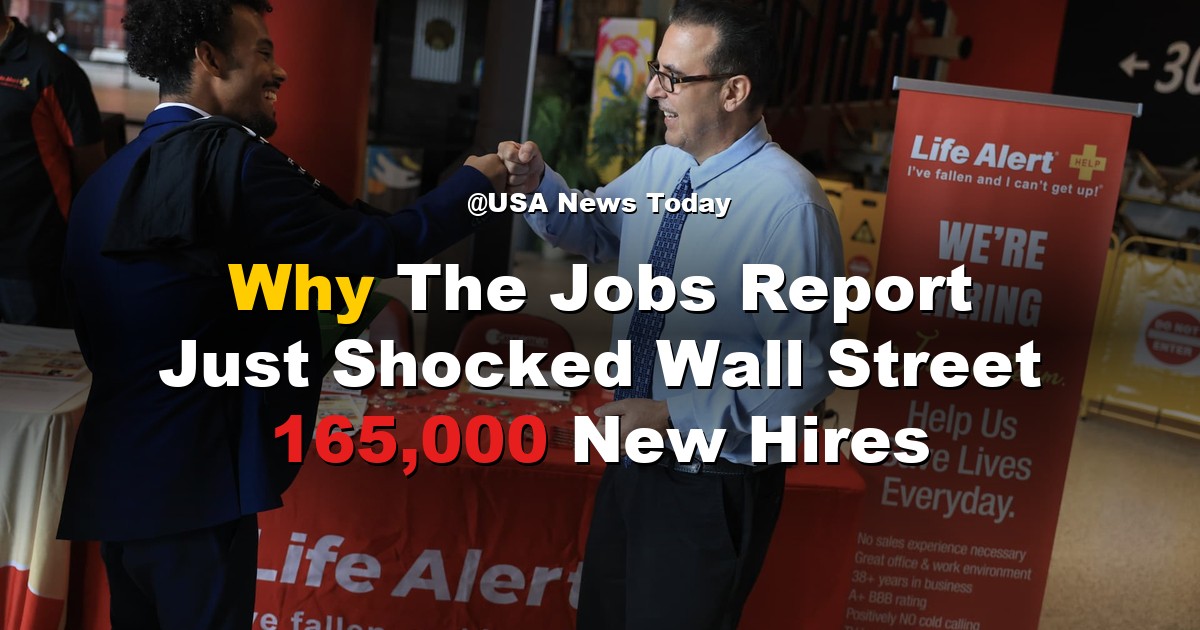
The U.S. economy added far more jobs than expected in October, offering a stronger snapshot of the labor market just days after midterm elections dominated by affordability concerns.
Nonfarm payrolls rose by a seasonally adjusted 165,000, according to the Bureau of Labor Statistics, well above the Dow Jones consensus forecast near 59,000. The unemployment rate edged down to 4.1% from 4.2%.
Average hourly earnings increased 0.4% for the month and 3.1% over the past year, also beating forecasts. The average workweek held at 34.4 hours. Prior months were revised higher as well: August was lifted to 186,000 jobs, and September was raised to 60,000.
Hiring was unusually broad. Professional and business services led with 70,000 jobs. Health care added 42,000, transportation and warehousing gained 25,000, and manufacturing rose by 19,000. Economists noted that growth was no longer concentrated almost entirely in health care, as it had been during weaker stretches of 2025.
“You have to look pretty hard to find something to dislike in there,” said Dan North, senior economist at Allianz Trade North America. “It’s a really, really good report … the best one in a while.”
Seema Shah, chief global strategist at Principal Asset Management, called the report “a strong rebuttal to fears that the economy is heading into a meaningful slowdown,” pointing to falling unemployment and broad job creation.
Still, the household survey showed mixed undercurrents. The civilian labor force jumped by 421,000, and a broader underemployment measure known as U-6 rose to 7.9%. Long-term unemployment also worsened: the average duration of unemployment climbed to 27.1 weeks, the highest since September 2021, and 1.96 million people had been out of work for more than 27 weeks.
Labor force participation edged up to 61.9%. Economists said demographic shifts and lower immigration had previously shrunk the labor pool, so October’s rebound in participation was closely watched.
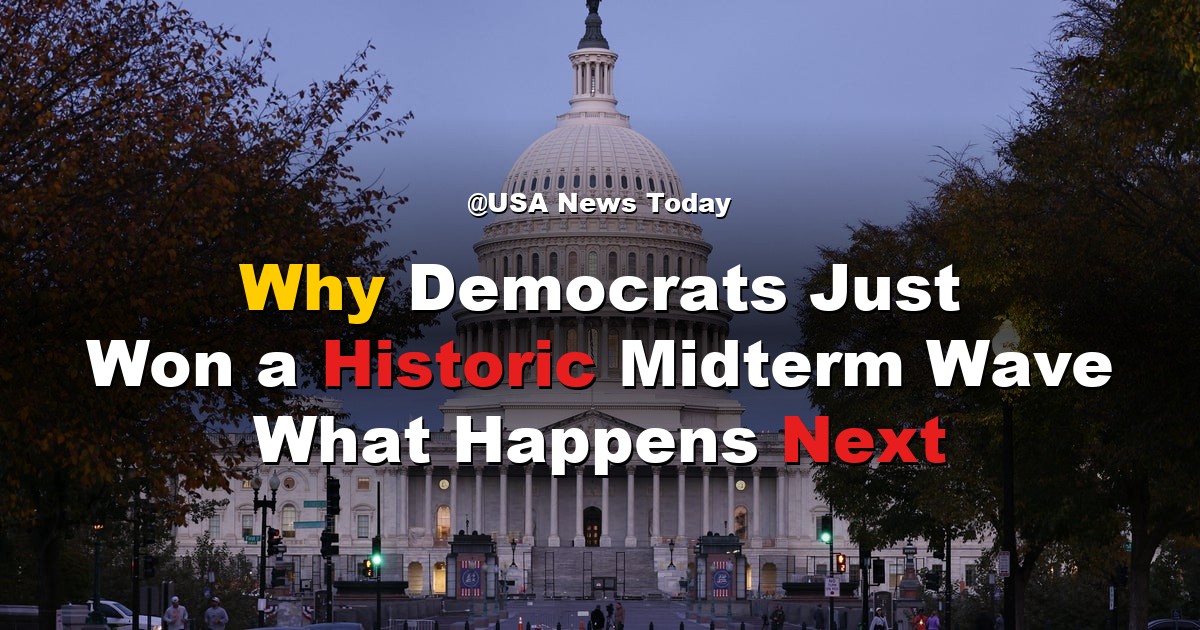
The report lands in a charged political moment. Democrats campaigned heavily on prices and household costs before their midterm wave. Republicans, including the White House, highlighted the stronger payroll number as evidence the labor market remains resilient.
For the Federal Reserve, the data complicate the December outlook. Inflation remains above the 2% target, and traders raised the odds of another quarter-point rate increase at the Dec. 8-9 meeting even as equity markets digested the AI sell-off and the new congressional map.